
Premium Experiences
Popular Safari Packages

Ranthambhore 2 Days 1 Night Jeep Safari Package
Perfect weekend getaway with two full jeep safaris inside core zones, experienced naturalist guide, and comfortable stay near the park gate.

Tiger Trail Photography Tour – 3 Days 2 Nights
Designed for wildlife photographers — three dedicated zone safaris timed to golden-hour light, premium jungle resort stay, and a post-processing session with a pro wildlife photographer.
Sariska wildlife gypsy safari
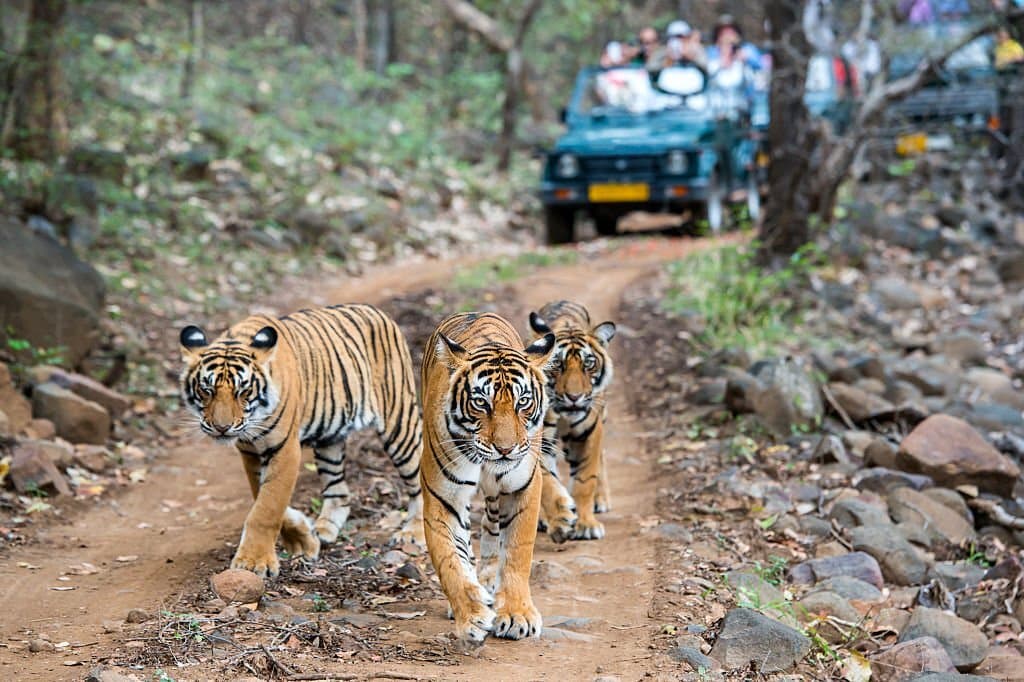
Embark on a thrilling 3.5-hour wilderness adventure into the heart of the Aravalli Hills at Sariska Tiger Reserve. In an open-top 4x4 Jeep (Gypsy), you will traverse a diverse landscape of dry deciduous forests, rocky cliffs, and lush grasslands. Sariska is world-renowned as the first reserve in the world to successfully relocate and rehabilitate Bengal Tigers. Beyond the majestic Royal Bengal Tiger, keep your eyes peeled for leopards, striped hyenas, golden jackals, sambar deer, nilgai, and wild boars. Birdwatchers will be delighted by over 220 species of birds, including the Crested Serpent Eagle and Indian Eagle-Owl. As you navigate the rugged terrain, your expert naturalist will share insights into the park's unique ecology and its fascinating history, including ruins of 10th-century temples and the 17th-century Kankwari Fort hidden deep within the jungle
Premium Stays
Our Most Booked Accommodations
SUJÁN Sher Bagh, Ranthambhore
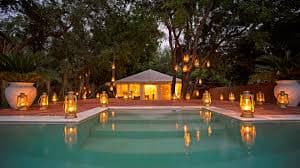
SUJÁN Sher Bagh Ranthambhore is an exclusive luxury tented camp located on the edge of Ranthambore National Park, offering an authentic safari experience inspired by the golden era of jungle camps. Surrounded by serene wilderness, the property features beautifully designed luxury tents with a blend of colonial charm and modern comforts. Known for its personalized hospitality and intimate atmosphere, it provides a refined and immersive wildlife experience. The camp focuses on conservation, sustainability, and curated safari adventures, making it ideal for discerning travelers seeking privacy, comfort, and close encounters with nature. Perfect for couples and luxury wildlife enthusiasts, it delivers a unique and memorable Ranthambore stay.
Ranthambore Tiger Machan Resort
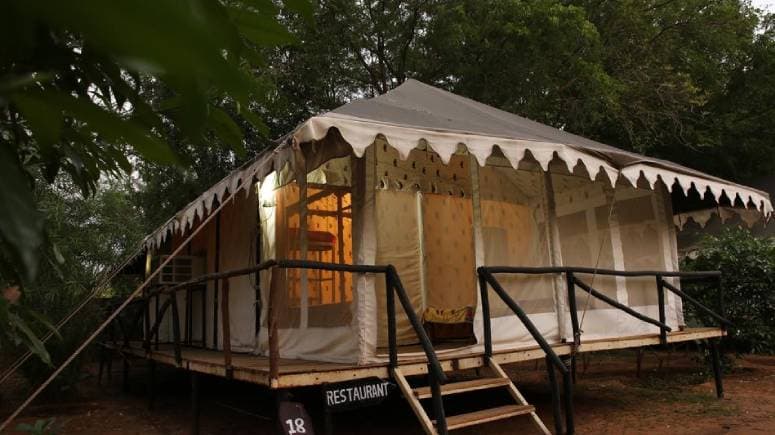
Tiger Machan Ranthambore is a nature-focused wildlife resort located near Ranthambore National Park, offering a serene stay surrounded by greenery and forest landscapes. The resort features eco-friendly cottages that blend with the natural environment while providing modern comforts. It is an ideal choice for wildlife enthusiasts and safari travelers seeking a peaceful and immersive jungle experience. With warm hospitality and easy access to safari zones, the resort provides a perfect balance of adventure and relaxation. Suitable for families, couples, and groups, it offers a comfortable and memorable stay in Ranthambore.
Aamaghati Wildlife Resort, Ranthambore
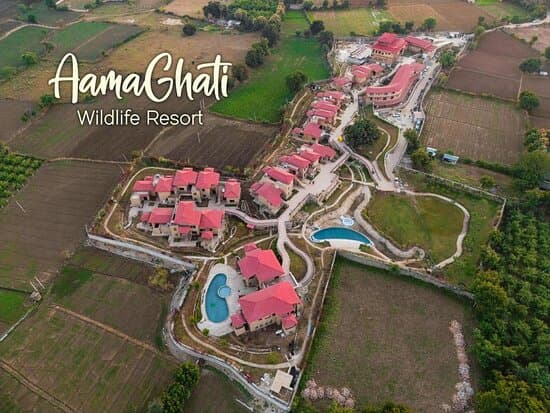
Amaghati Wildlife Resort is a premium nature-inspired resort located near Ranthambore National Park, offering a peaceful retreat amidst lush greenery and scenic surroundings. The resort is designed with a blend of modern comfort and natural aesthetics, featuring spacious cottages and well-appointed rooms. It is an ideal stay for wildlife enthusiasts and travelers looking to explore Ranthambore while enjoying a relaxing and comfortable environment. With warm hospitality, tranquil ambiance, and close proximity to safari zones, the resort provides a perfect balance of adventure and leisure. Suitable for families, couples, and groups, it ensures a memorable wildlife getaway experience.
Guest Experiences
What Our Travelers Say

"The Gypsy safari in Ranthambhore was incredibly well organized. Our guide knew exactly where to track the tiger, and the premium stay made the whole trip unforgettable."
Arjun Mehta
Mumbai, India

"Absolutely top-tier concierge service! They handled everything from our permits to our luxury lodge at Jawai. Seeing the leopards in their natural habitat was breathtaking."
Sarah Williams
London, UK

"A truly professional team. The booking process was seamless without any hidden costs. The Canter safari was very comfortable for our family of six."
Rahul Desai
Ahmedabad, India

"I am a wildlife photographer, and their specific knowledge of Zone 3 and 4 helped me get the perfect shots. Highly recommend their private Gypsy tours."
Elena Rostova
Dubai, UAE

"We booked a last-minute weekend trip to Sariska. The team managed to secure excellent permits and a wonderful heritage property for us to stay."
Vikram Singh
Delhi, India

"The luxury and attention to detail were unmatched. It wasn't just a safari; it was an experience curated to perfection. Will definitely book again next year."
Priya Sharma
Bangalore, India
"The Gypsy safari in Ranthambhore was incredibly well organized. Our guide knew exactly where to track the tiger, and the premium stay made the whole trip unforgettable."
Arjun Mehta
Mumbai, India
"Absolutely top-tier concierge service! They handled everything from our permits to our luxury lodge at Jawai. Seeing the leopards in their natural habitat was breathtaking."
Sarah Williams
London, UK
"A truly professional team. The booking process was seamless without any hidden costs. The Canter safari was very comfortable for our family of six."
Rahul Desai
Ahmedabad, India
"I am a wildlife photographer, and their specific knowledge of Zone 3 and 4 helped me get the perfect shots. Highly recommend their private Gypsy tours."
Elena Rostova
Dubai, UAE
"We booked a last-minute weekend trip to Sariska. The team managed to secure excellent permits and a wonderful heritage property for us to stay."
Vikram Singh
Delhi, India
"The luxury and attention to detail were unmatched. It wasn't just a safari; it was an experience curated to perfection. Will definitely book again next year."
Priya Sharma
Bangalore, India
Explore Destinations
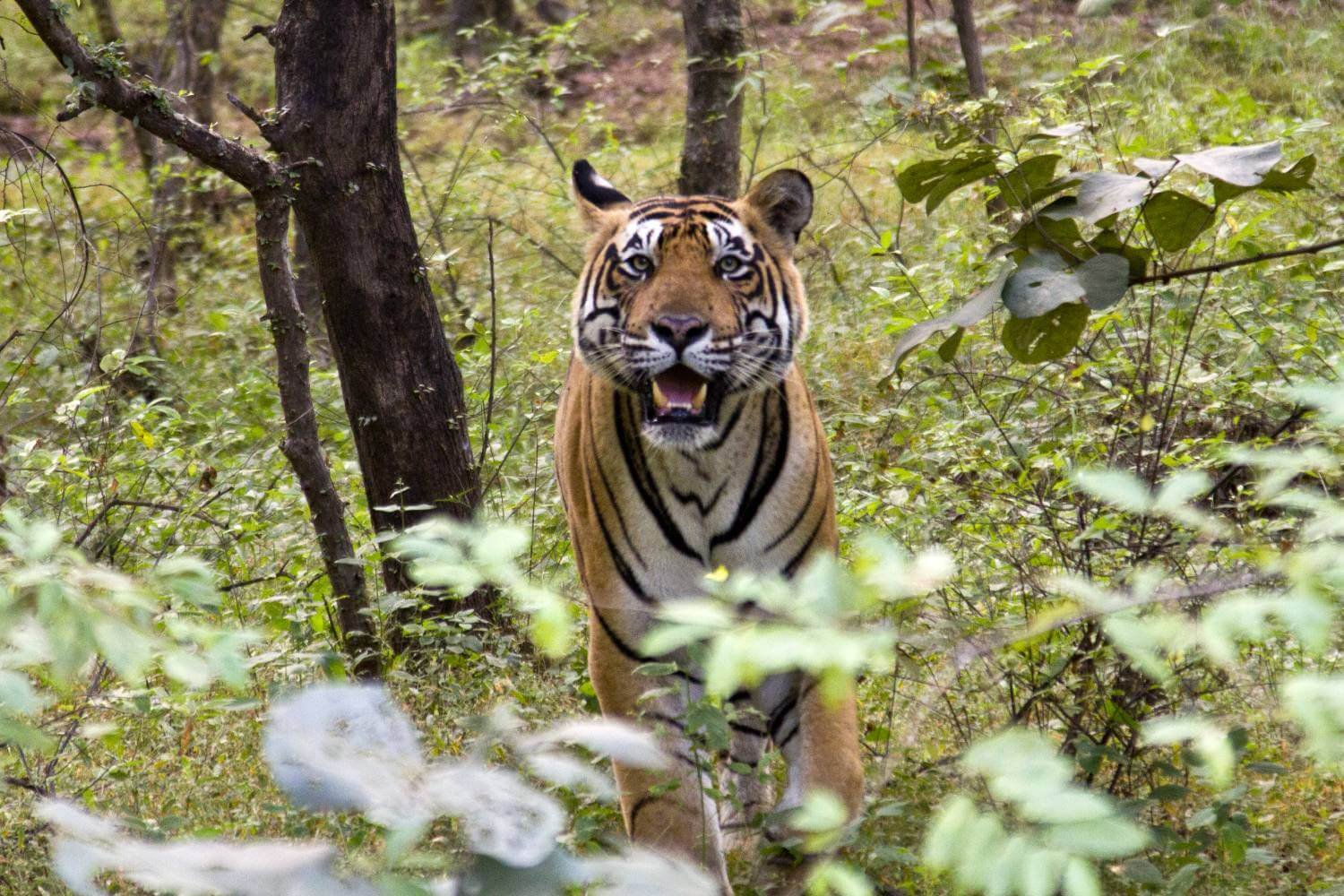
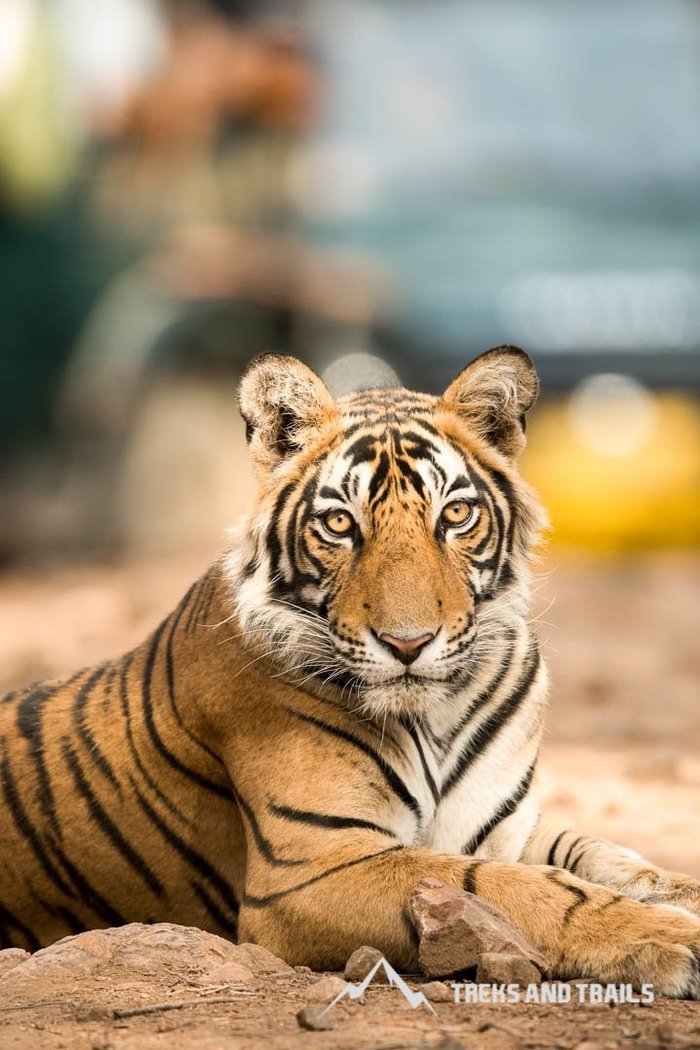
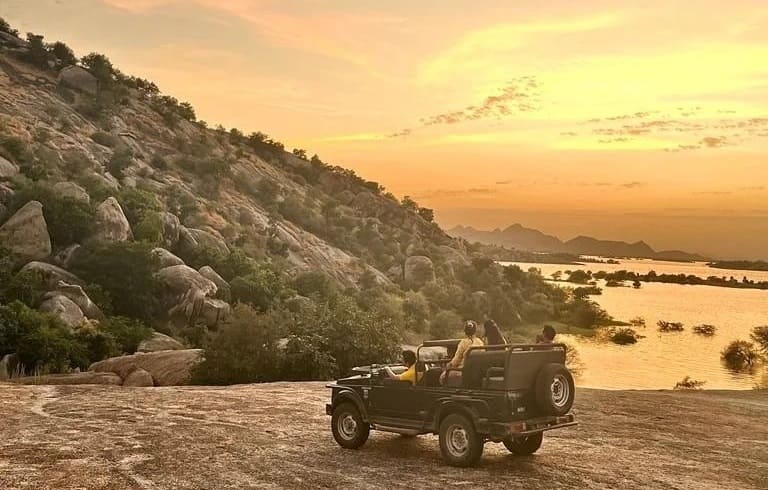
Premium Wildlife Safaris
Expert-guided safaris across India's most spectacular tiger and leopard reserves.

Our Expertise
Everything You Need
For The Perfect Trip
Jeep & Canter Jungle Safari
Experience customized 6-seater Jeep and 20-seater Canter safaris with local naturalists.
Luxury & Budget Hotel Bookings
From heritage luxury to budget-friendly stays near Ranthambhore gates.
Chambal River Boat Safari
Boat rides with sightings of gharials, crocodiles, and migratory birds.
Wildlife Photography Tours
Curated tours focused on tiger photography angles, timings, and light.
Premium Taxi & Transport
Air-conditioned pickup/drop from Jaipur, Agra, and Delhi.
Travel Diary
Latest Safari Guides
February 11, 2026
The Ultimate 2026 Guide to Ranthambhore Jungle Safari: Pricing, Zones & Timing
Plan your wildlife trip with practical tips on safari types, zones, and booking.
2026-03-20
jeep and canter safari in Ranthambore National Park
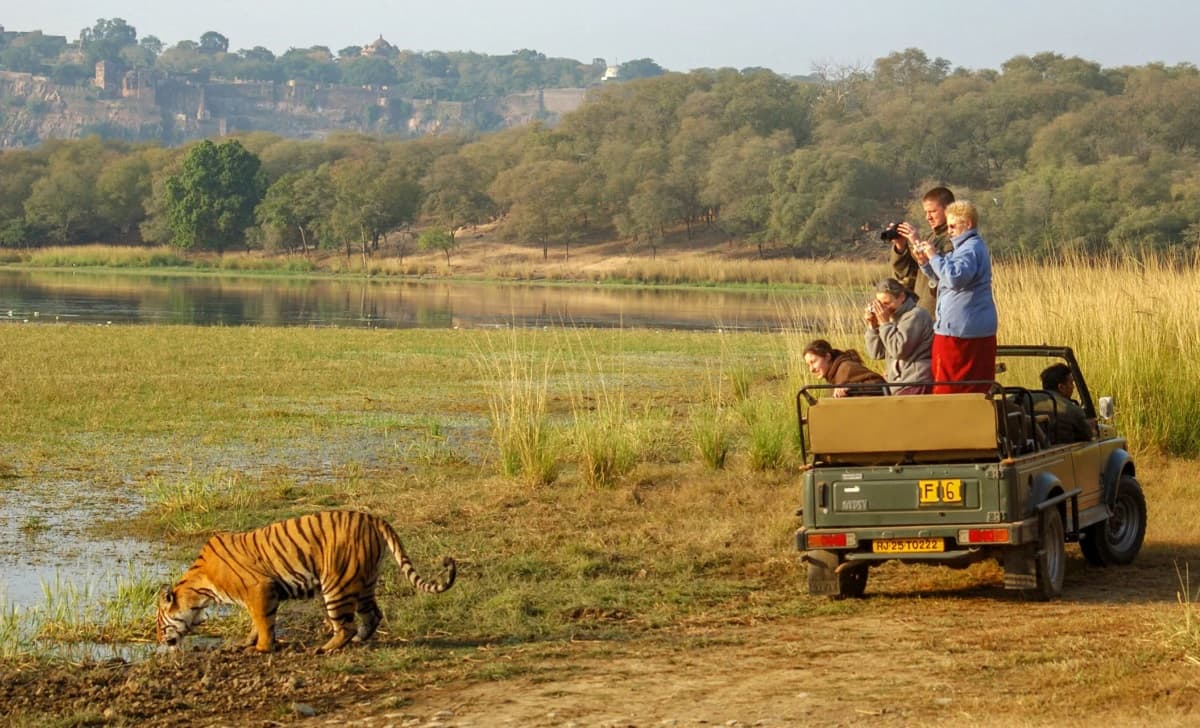
A safari in Ranthambore National Park is one of the best ways to experience wildlife in India, especially for spotting Bengal tigers. Visitors can choose between a Jeep Safari and a Canter Safari depending on their budget and preference. Jeep safaris offer a more private, flexible, and close wildlife experience, while canter safaris are more affordable and suitable for larger groups. Both options allow travelers to explore the forest, enjoy scenic landscapes, and see animals like tigers, deer, crocodiles, and many birds. No matter which safari you choose, visiting Ranthambore promises an exciting and memorable wildlife adventure. 🐅🌿

2026-03-14
History about the Ranthambore Fort
Ranthambore Fort is a historic hill fort located inside Ranthambore National Park in Rajasthan. Built around the 10th century by the Chauhan dynasty, the fort played an important role in medieval Indian history and witnessed several battles between Rajput rulers and the Delhi Sultanate. The fort stands about 700 feet above the surrounding forest and offers stunning views of the park. It contains ancient palaces, temples, and massive gates, including the famous Trinetra Ganesh Temple, which attracts thousands of devotees. In 2013, Ranthambore Fort was recognized as part of the Hill Forts of Rajasthan, highlighting its cultural and architectural significance.
Start Planning Your Rajasthan Adventure
Contact Junglesafar directly for guaranteed safari permits, premium hotel combos, and honest local advice.
Get Free Custom Quote